
Toronto Interior Designer
Magazine-style WordPress with a centered masthead and warm-tone covers.
A content-led WordPress site for a Toronto-based editorial team delivering practical interior design guidance — real pricing, local sourcing, and expert picks for GTA homeowners and condo dwellers.
The Brief
Toronto Interior Designer is an editorial platform built for GTA homeowners and condo residents who want design inspiration grounded in Canadian reality — local suppliers, actual price ranges, renovation timelines that account for permit delays and trade availability. The team of ten specialist editors covers every room type, from powder rooms and kitchens to home offices and outdoor spaces, with a consistent emphasis on practical guidance over aspirational imagery alone.
Bryka built torontointeriordesigner.ca to serve a dual audience: readers who arrive from search looking for a specific answer (how much does crown moulding cost in Toronto?), and returning visitors who trust the platform as an ongoing resource. The site needed an architecture that handled a deep content library without burying articles, a visual system that felt editorial rather than bloggy, and clear pathways for readers to find specialist expertise by room type, topic, or editorial voice.
Technology stack
- WordPress (custom editorial theme)
- Room-type & topic taxonomy architecture
- Ten-editor author profile system
- Buyer guide & cost-breakdown templates
- Search-optimised article structure
- GTA supplier & trade resource directory
- Mobile-first reading experience

A Content Architecture Built For Search And For Readers
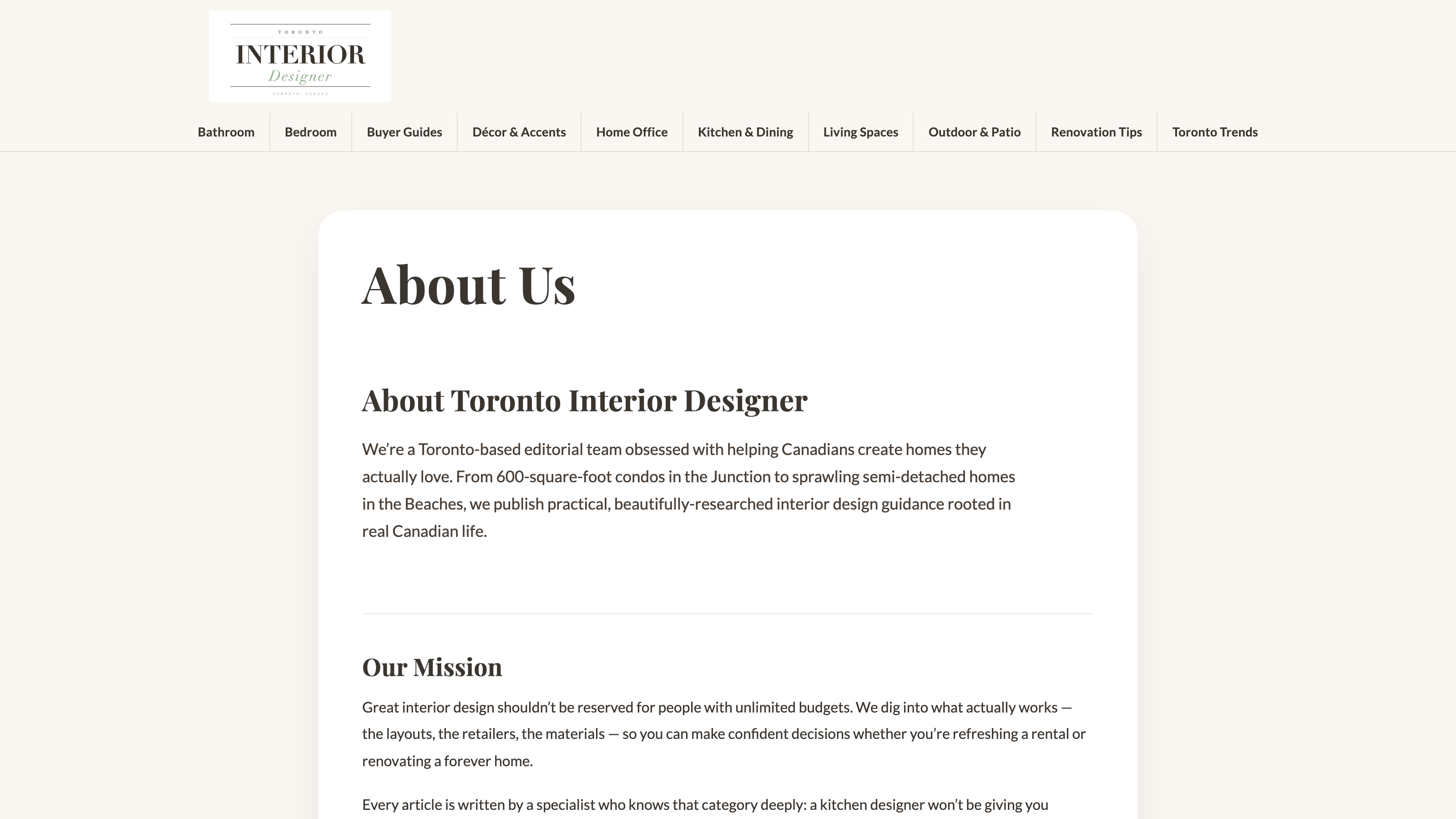
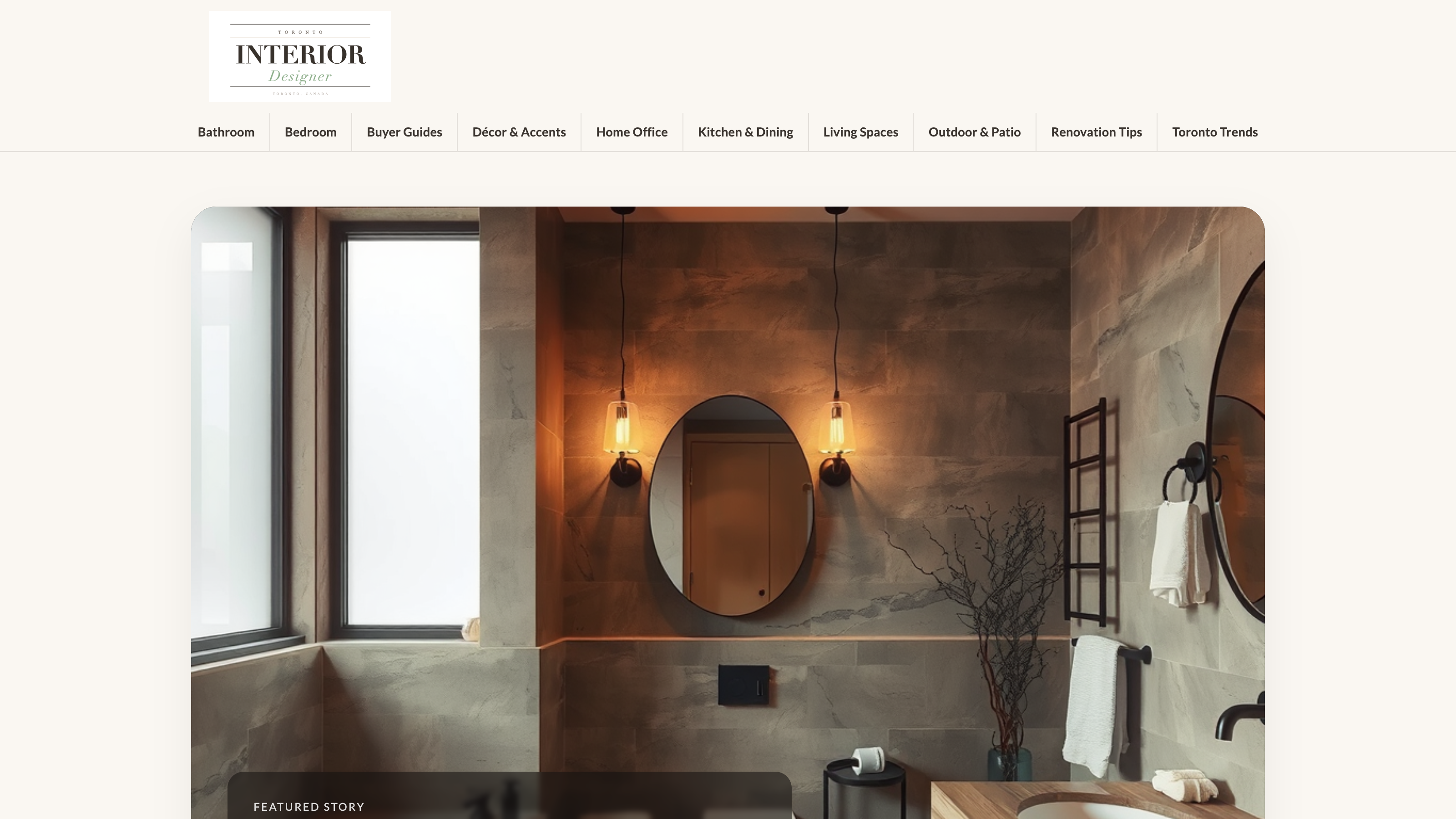
An editorial site lives or dies on its taxonomy. Too flat and readers can't navigate; too granular and the structure collapses under the weight of edge cases. Toronto Interior Designer needed to handle a wide subject range — ten room types, renovation tips, buyer guides, trend reports, local supplier lists — without any category feeling thin. We built a taxonomy around reader intent: people arriving via search land on focused, well-structured articles; people browsing the site discover depth through specialist editor profiles and curated room-type archives. The result is a site that earns organic traffic and keeps it.

Ten Editors, One Coherent Voice
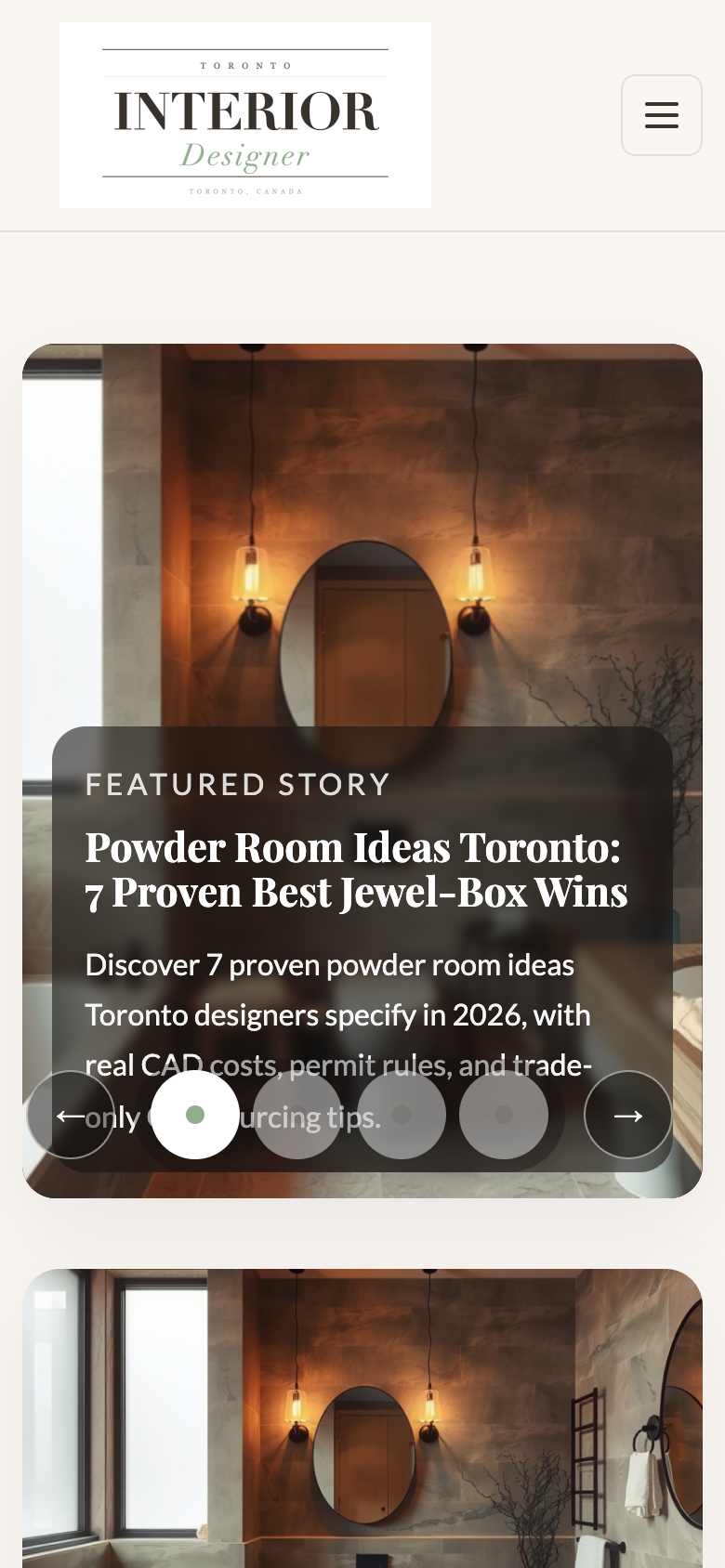
The editorial credibility of a platform like this depends on its authors feeling like real specialists, not interchangeable content producers. We built an author profile system that gives each of the ten editors — covering living spaces, kitchens, bathrooms, home offices, outdoor areas, décor, renovation, buyer guides, and Toronto trends — a proper introduction: expertise, approach, areas of focus, and a full article archive. When a reader lands on a powder room cost breakdown by Charlotte Rossi and finds it genuinely useful, the author profile gives them a reason to follow her work rather than bounce. That repeat engagement is what separates an editorial platform from a content farm.
The Buyer Guide Template That Does The Heavy Lifting
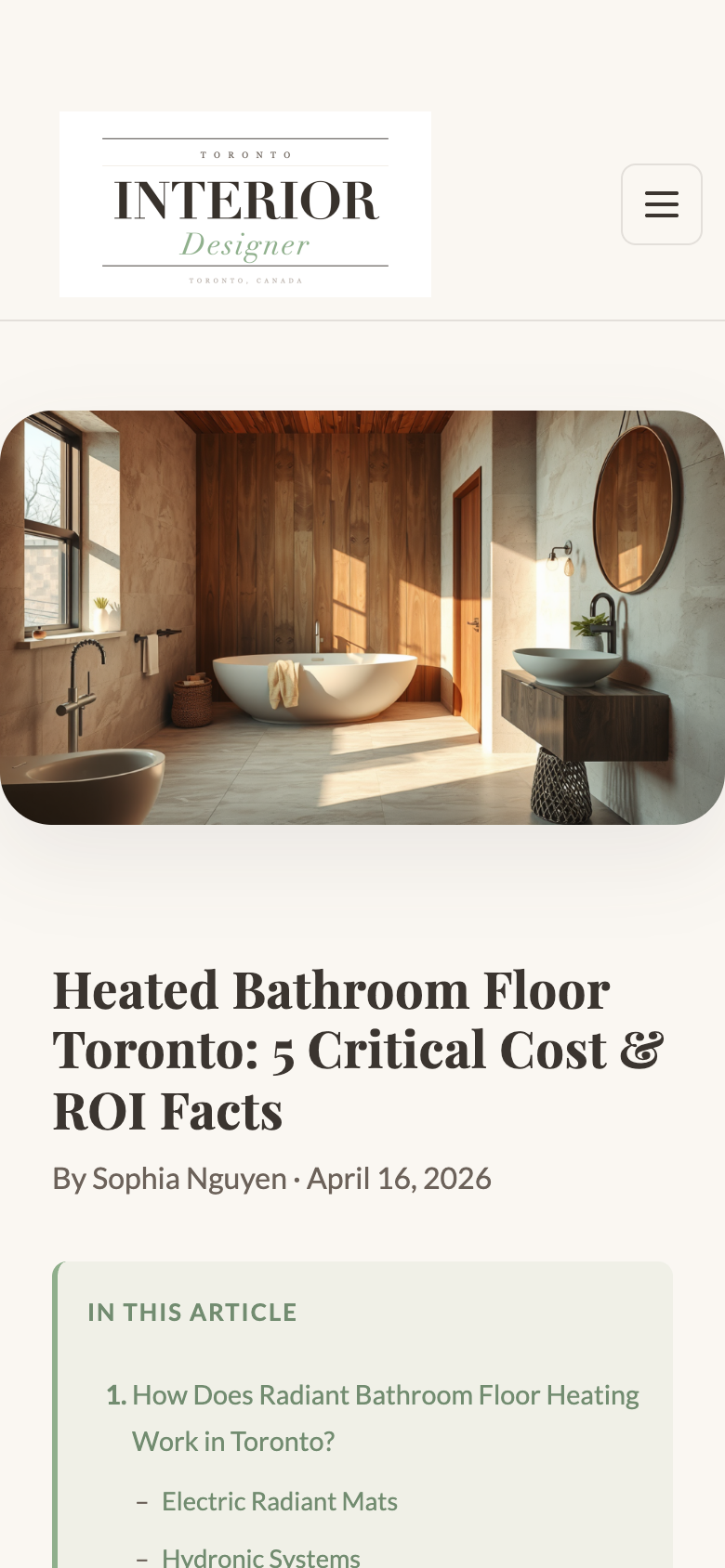
The most-searched content on the site is cost-based: what does a bathroom tile installation cost in Toronto, how much is crown moulding per linear foot, what should a powder room renovation budget for? We built a buyer guide template specifically for this content type — structured to answer the direct question up front, then layer in the nuance (range by quality tier, local vs. imported materials, GTA trade rates) in a way that rewards the reader who wants depth. Each guide ends with a sourcing section pointing to vetted GTA suppliers, closing the loop between inspiration and action.


Building a content platform that has to rank and retain?
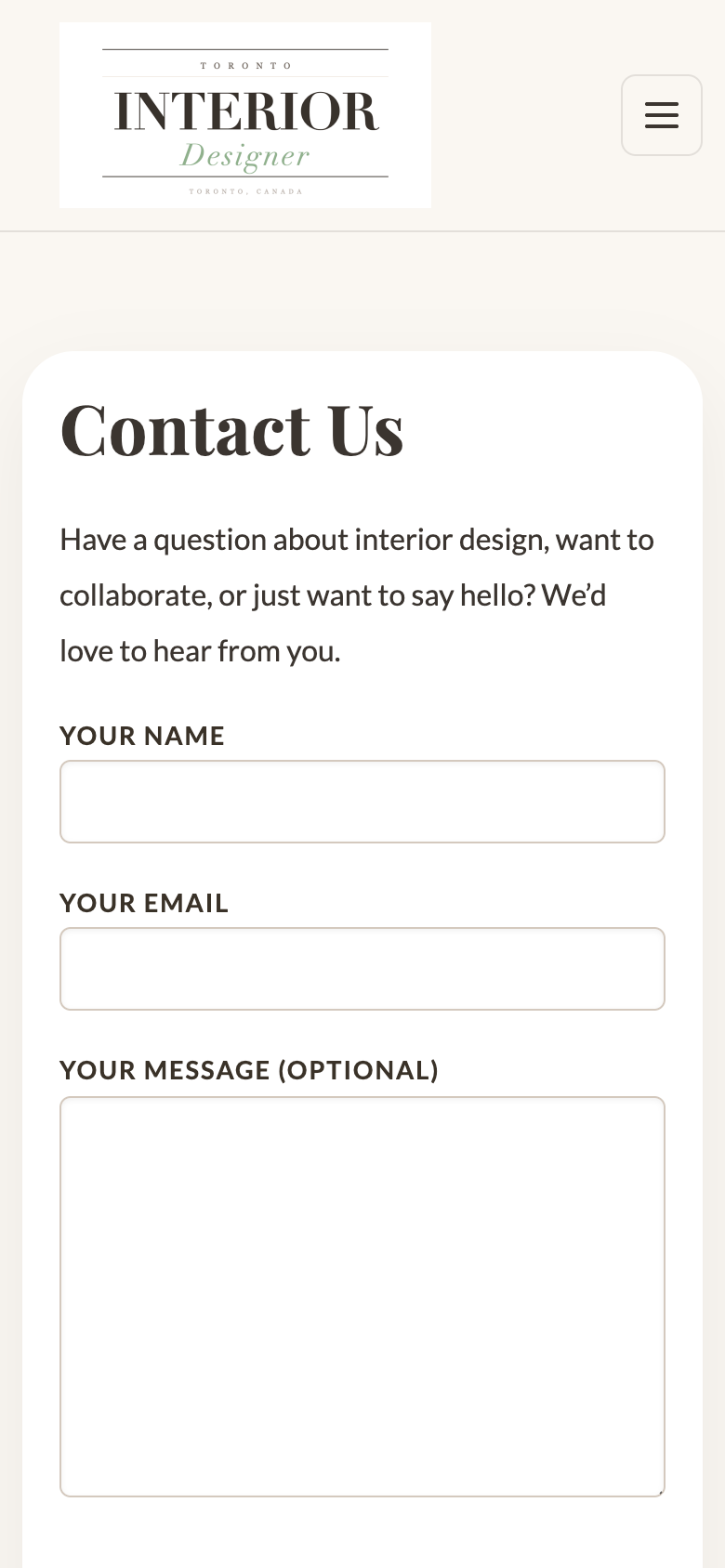
We build WordPress editorial sites for teams who know their subject — and need a site that makes that expertise visible to the right audience. If that's you, let's talk.