
Ridez
Editorial WordPress with a full-bleed cinematic hero.
A high-authority WordPress editorial site for a Canadian automotive publication — built to surface the true cost of vehicle ownership and give buyers the information dealers don't volunteer.
The Brief
Ridez is a Canadian automotive publication with a specific editorial mission: tell buyers what cars actually cost to own, not just to buy. Insurance, depreciation, fuel, maintenance, financing — the full picture, broken down by province, vehicle class, and market condition. The team of six writers and analysts includes a former dealership finance manager and a consumer protection advocate, and the publication explicitly declines manufacturer press releases, affiliate commissions, and sponsored content. Their credibility is their product, and their site had to reflect that.
Bryka built ridez.ca to serve a data-driven editorial operation with a deep, growing content archive and readers who arrive from search with a specific question and stay when they find the answer. The brief was authority: a site that reads like a publication, not a blog — clean enough that the data speaks, structured enough that 2,000+ articles stay navigable, and fast enough that the audience (Canadian car buyers doing serious research) doesn't bounce on mobile before the lede.
Technology stack
- WordPress (custom editorial theme)
- Buyer guide & cost-analysis article templates
- Province-specific content & filtering
- Six-author byline & archive system
- EV & hybrid rebate content category
- Search-first content architecture (2,000+ pages)
- Performance-optimised mobile reading experience
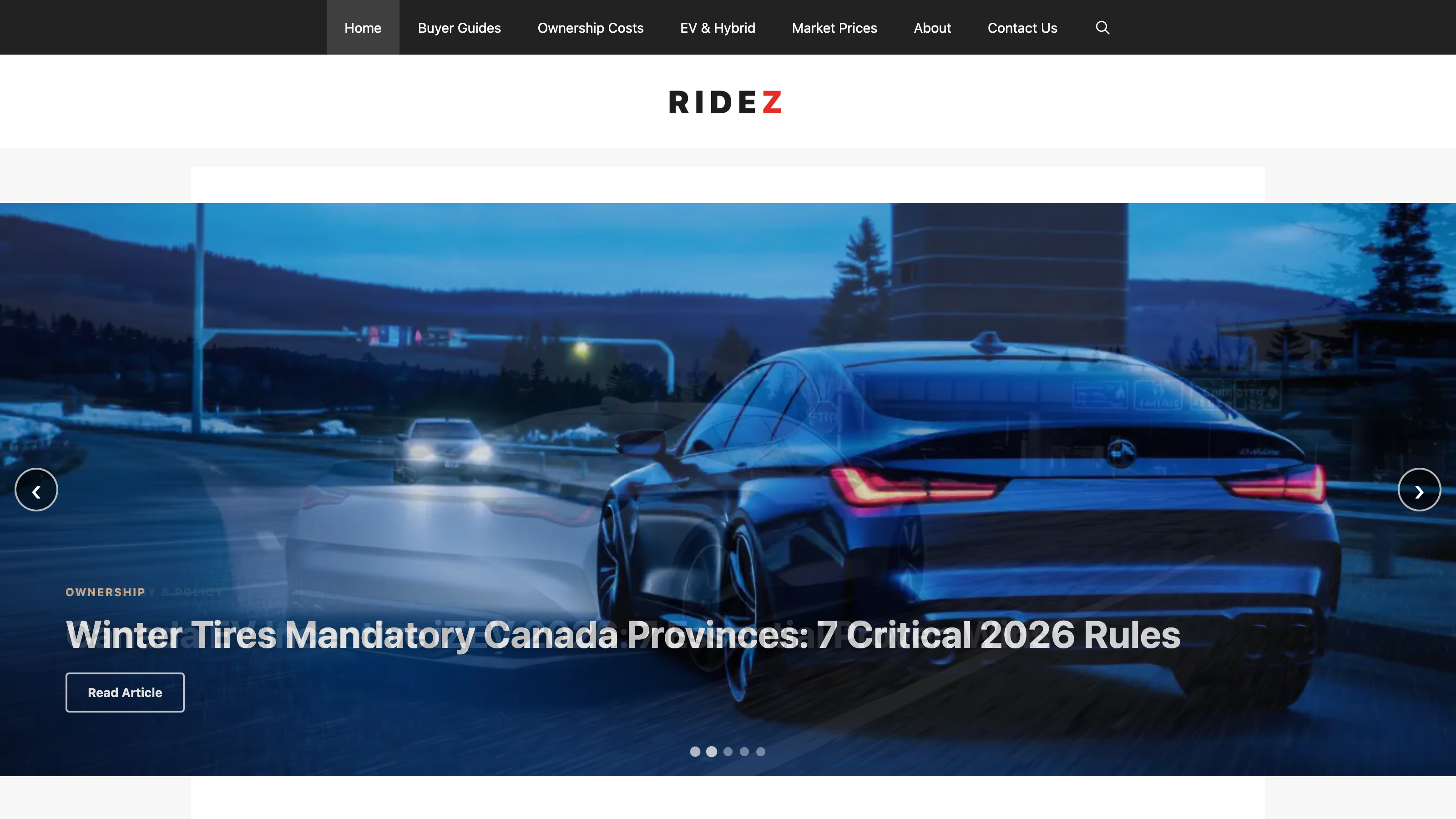
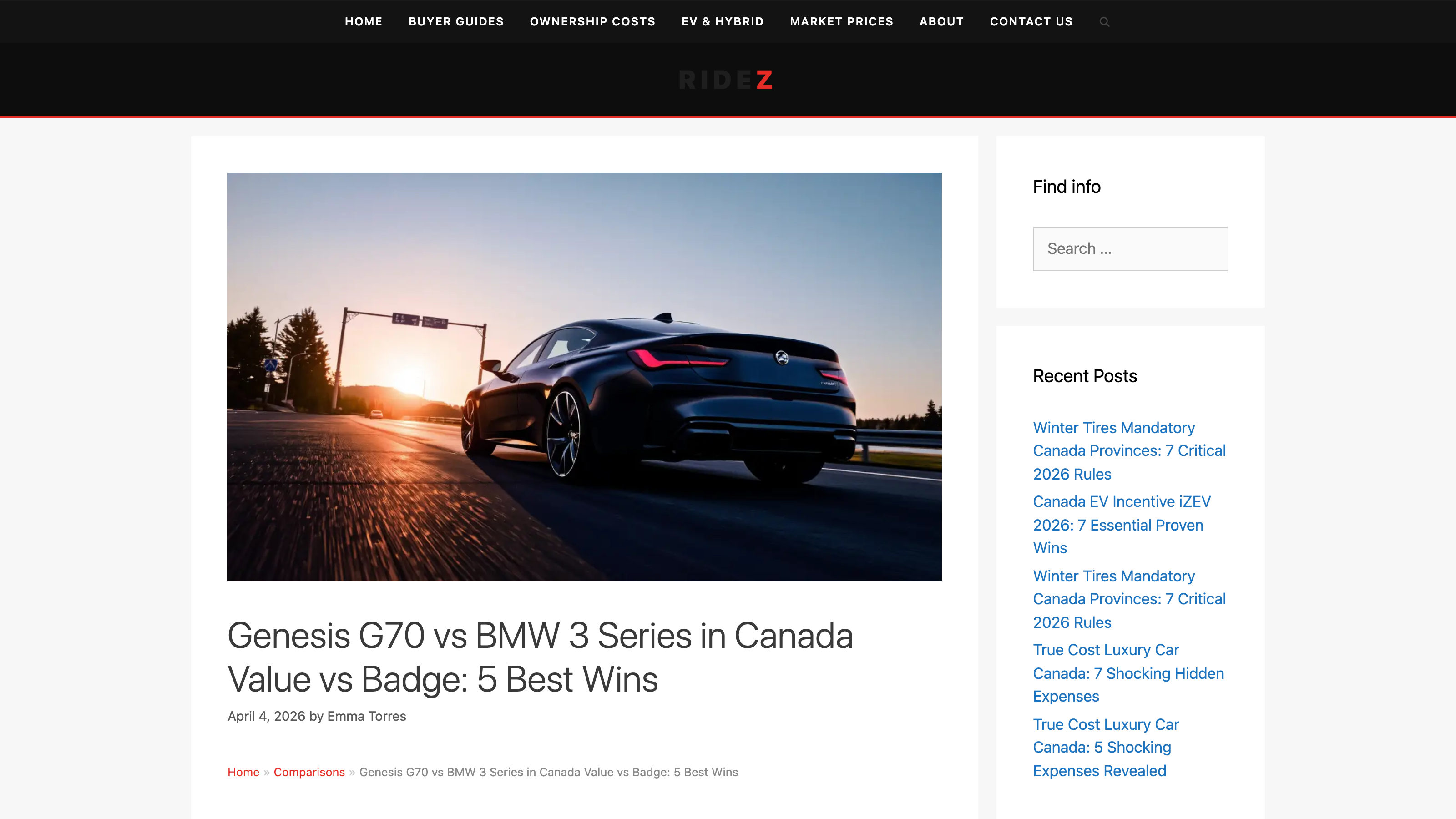
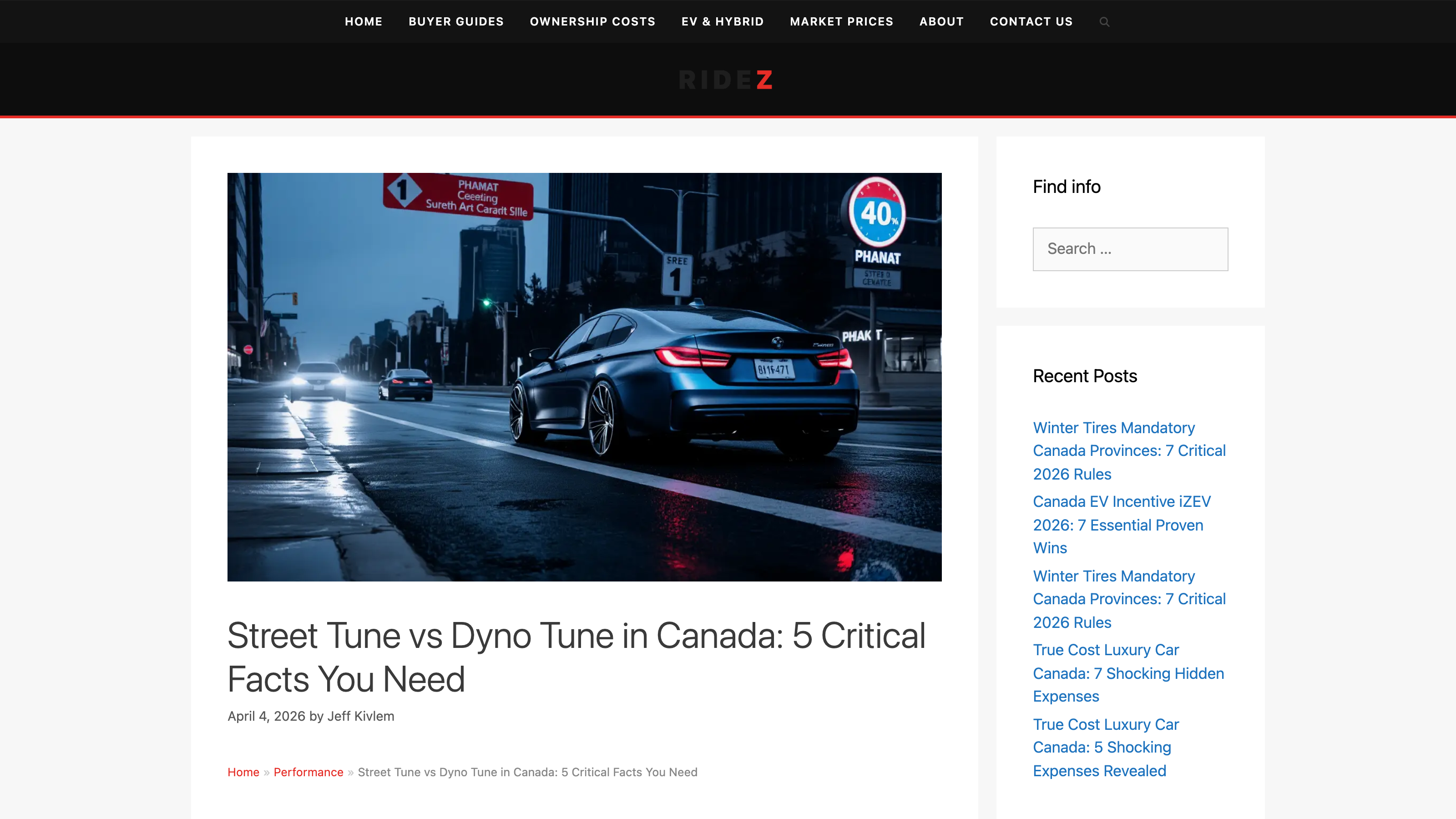
Data Journalism Needs A Design That Gets Out Of Its Way
Ridez publishes content that is dense by nature — cost tables, provincial comparisons, multi-variable ownership calculations — and the design had to handle that density without overwhelming the reader. We built a layout system that presents data cleanly at every breakpoint: structured tables that reflow gracefully on mobile, in-article callouts that surface the key number a reader came for, and a typographic hierarchy that makes a 2,500-word cost analysis readable rather than daunting. When editorial credibility is the whole business model, the design has to signal rigor without looking like a spreadsheet.
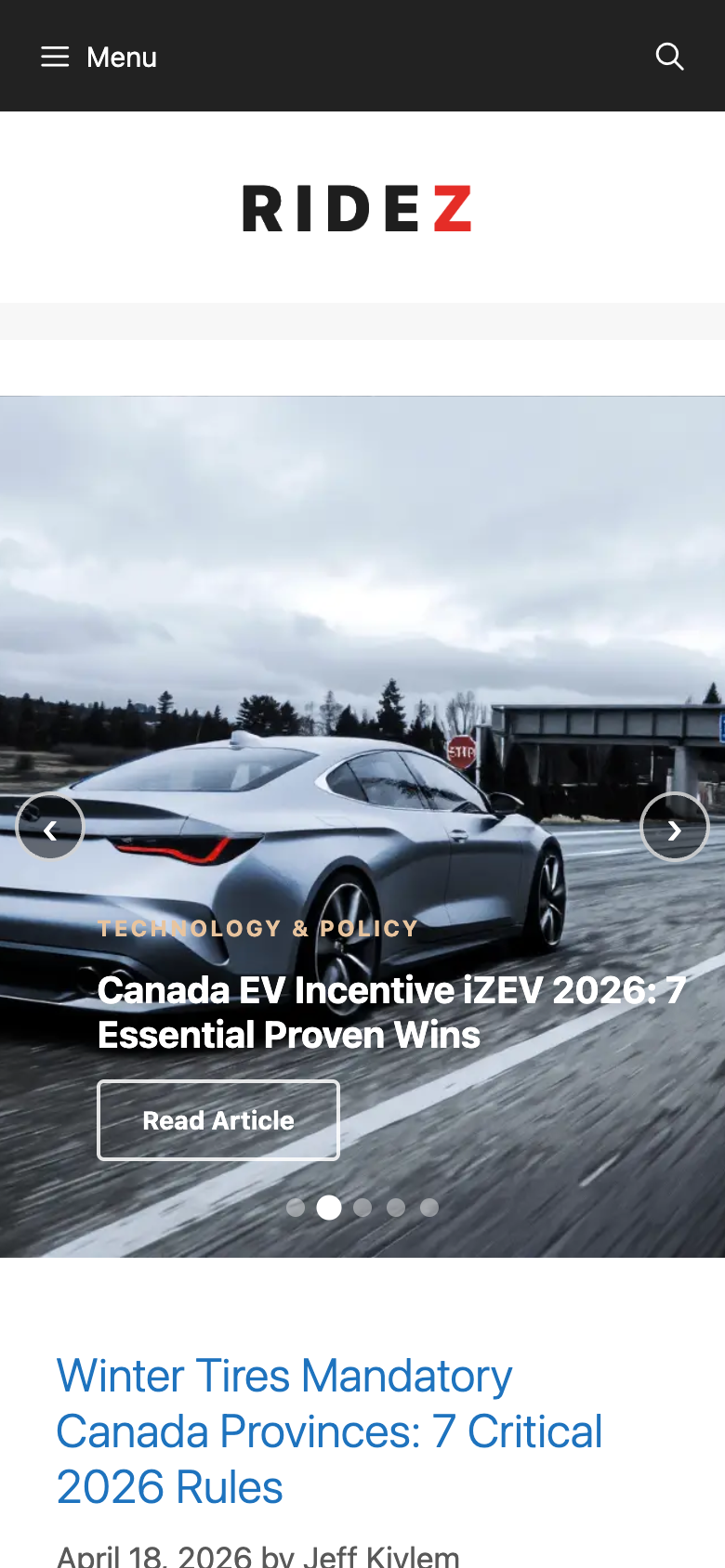
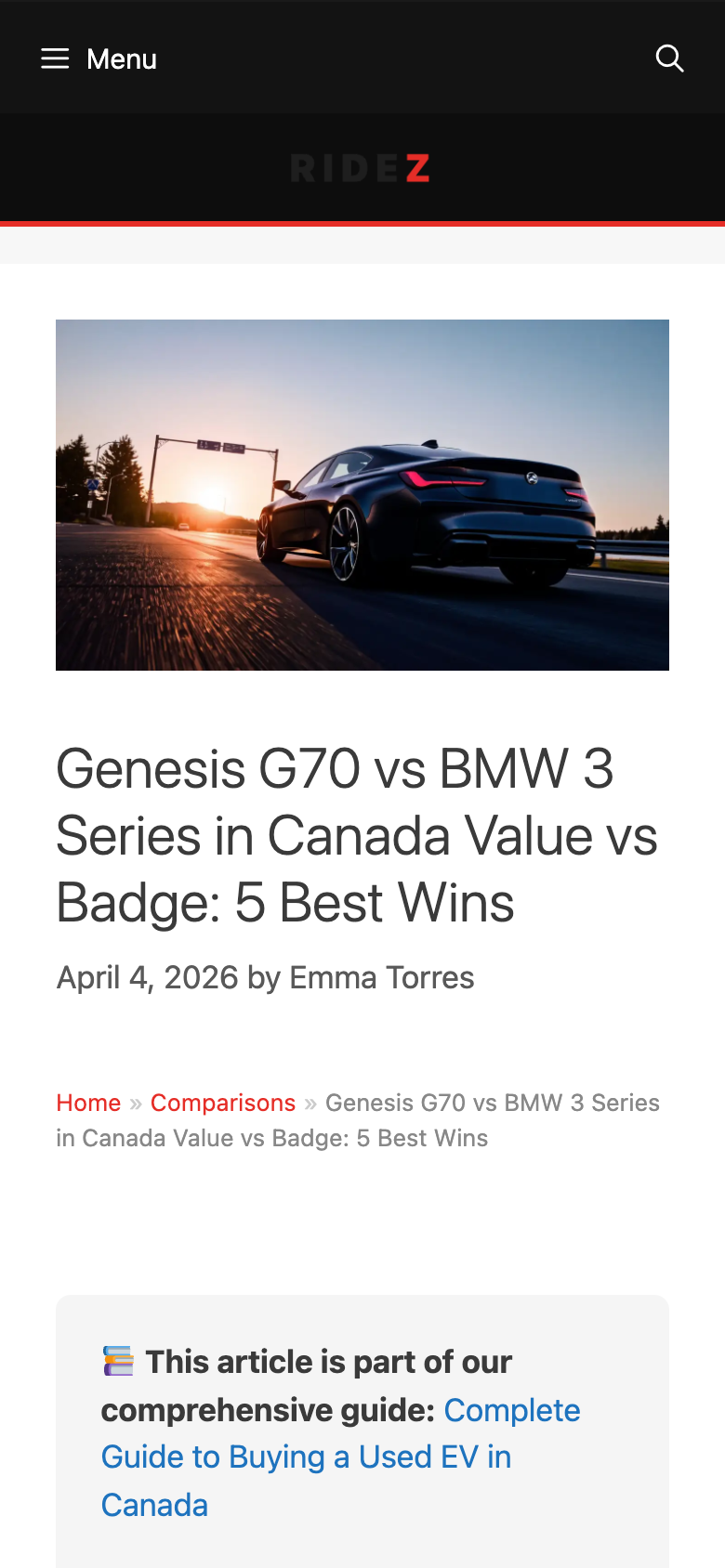
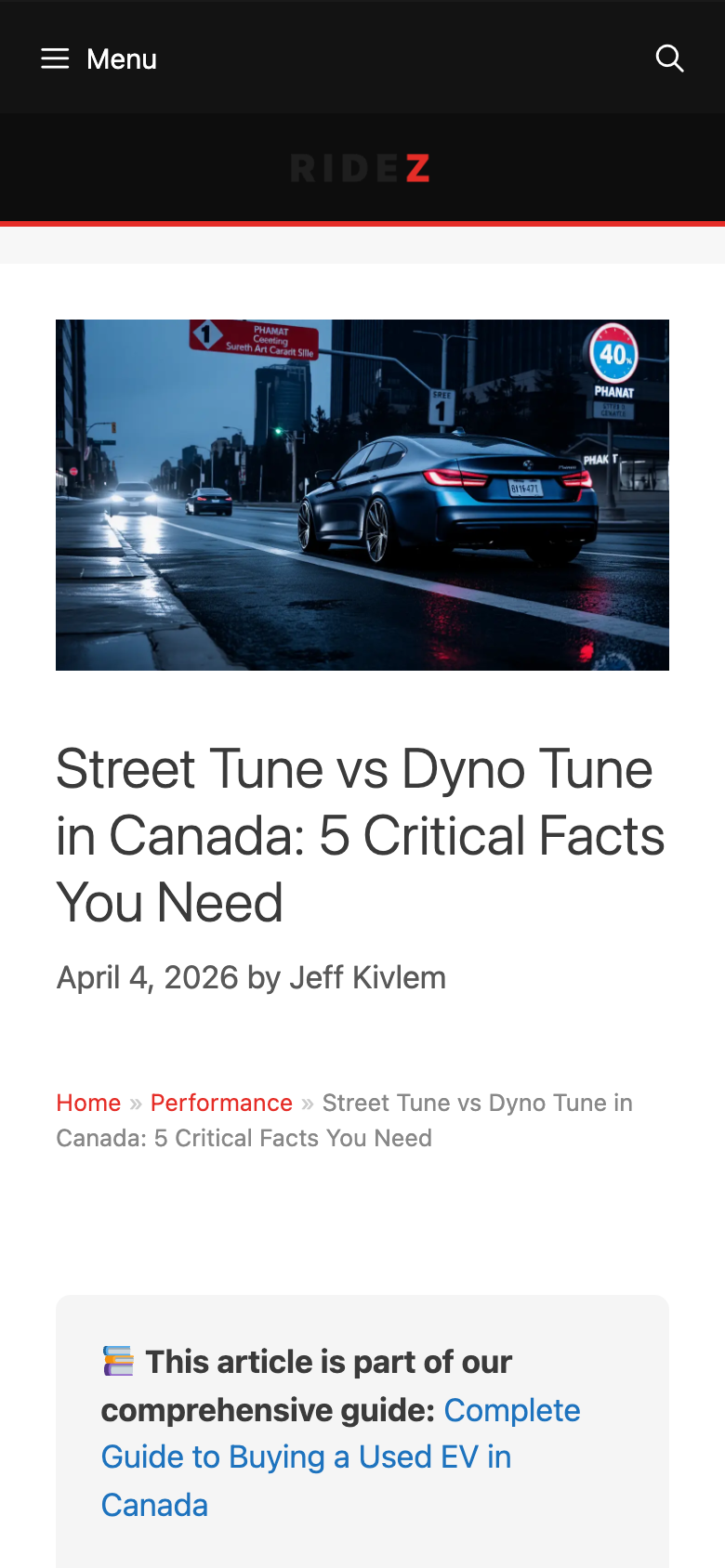
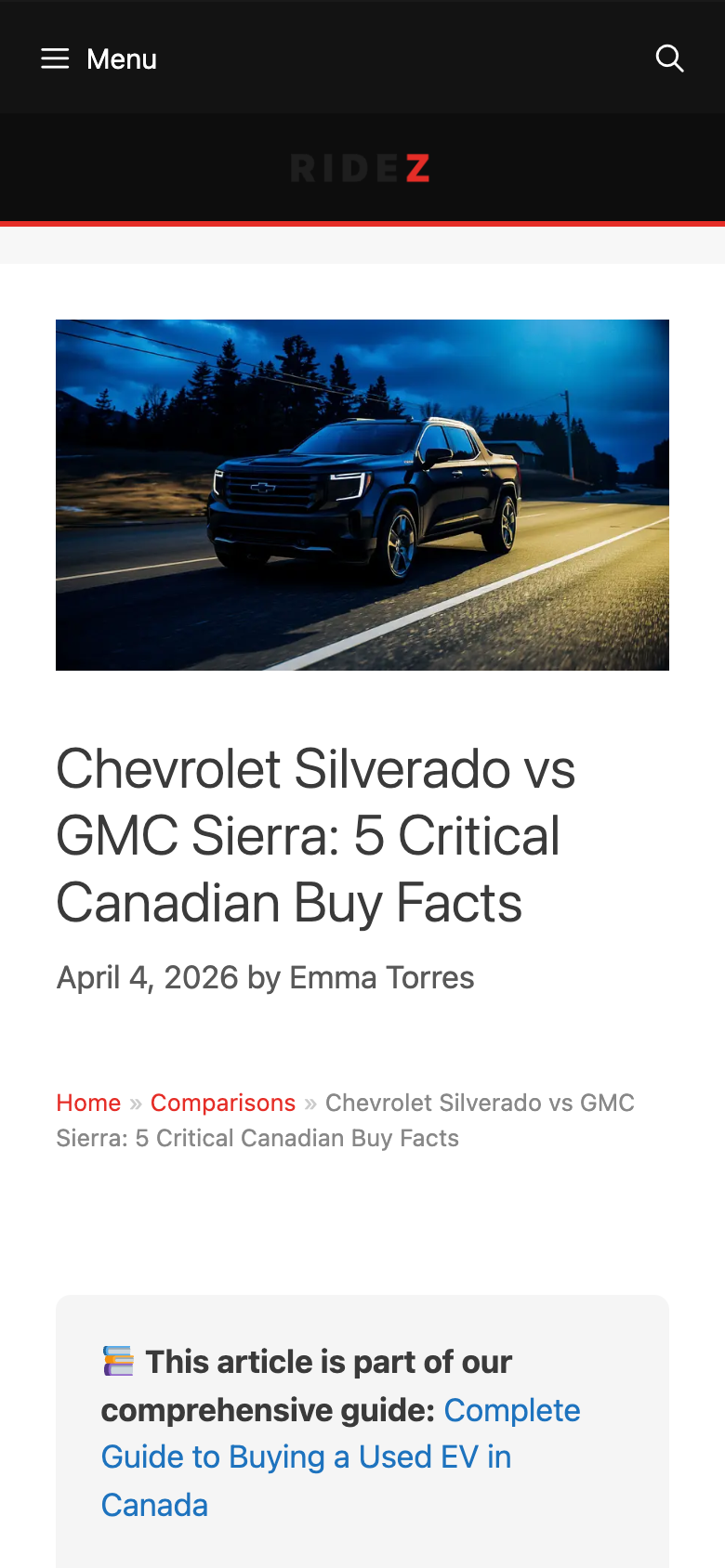
A Content Architecture For 2,000 Articles And Counting
A site with 2,000+ pages has an organisation problem whether it knows it or not. Topics splinter, categories overlap, and the homepage becomes a graveyard of recent posts rather than a guide to what the publication actually covers. We built Ridez's content architecture around reader intent — five primary content pillars (Buyer Guides, Ownership Costs, EV & Hybrid, Market Prices, Consumer Protection) — each with its own landing page that works as both an editorial destination and a search-crawlable index. New articles slot into the structure without requiring editorial decisions about where they live; the taxonomy does that work automatically.
Independence As A Design Feature
Ridez's editorial policy — no manufacturer press releases, no affiliate commissions, no sponsored content that influences coverage — is a meaningful differentiator in a media landscape where most automotive content is underwritten by the industry it covers. We made that independence visible in the design: a clear about page that names the policy explicitly, author bylines that include each writer's specific expertise and data sources, and a corrections contact that signals accountability. Readers who find that credibility statement are more likely to trust the cost data on the next page — and to bookmark the site rather than treat it as a one-time Google result.


Building a publication people actually trust?
We build WordPress editorial sites for independent media — content-heavy, search-first, designed to earn authority rather than borrow it. If that's the brief, let's talk.